1. Check the building
Inside a home or unit, the team looks through closets, cabinets, bathrooms and anything that could hold sharps.
Campton Hills, IL · Kane County
Found a needle or syringe in Campton Hills? Stay back, keep children and pets away, and call (877) 812-4220. A cleanup team can search the area, collect every sharp and dispose of it safely.
If anyone is in danger, call 911 first. For a suicide crisis, call or text 988.
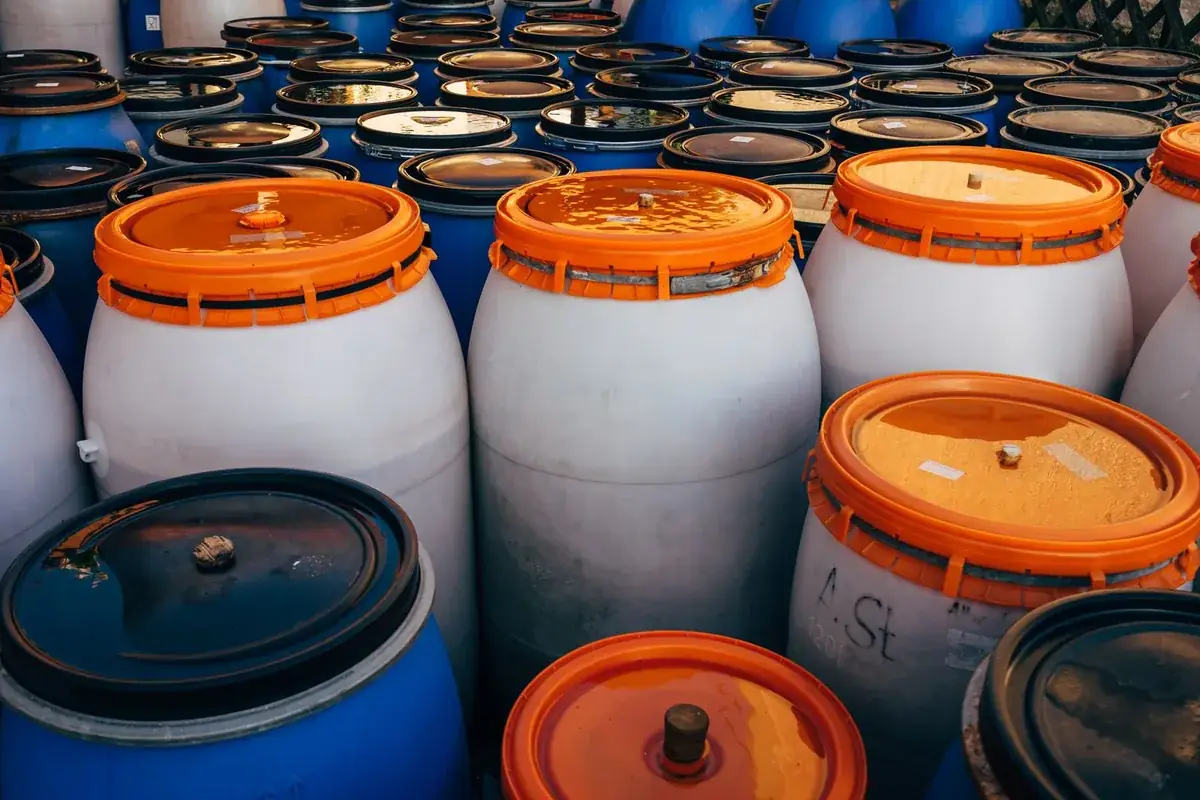
Needle and syringe pickup is a form of biohazard cleanup aimed at sharps. Protective equipment, special containers and proper disposal are part of every job.
If you find syringes while clearing a loved one's home in Campton Hills, you can call Campton Hills Biohazard Cleanup Help. Crews search drawers, bags and closets, and take care of the sharps so relatives in Kane County never have to.
Most homes in Kane County are owner occupied, with renters at about 24% of households, so many needle calls come from families clearing a home or yard. Tell the doctor where the needle was found. The nearest emergency room to Campton Hills is Northwestern Medicine Delnor Community Hospital, about 6 miles away.
Needle & Sharps Cleanup in Campton Hills usually includes:
Inside a home or unit, the team looks through closets, cabinets, bathrooms and anything that could hold sharps.
Long tools let the crew lift sharps without reaching. Nothing is picked up by hand.
Containers are sealed, loaded and taken away. They leave the property as one load.
After the last walk-through, the owner can reopen the area to tenants, customers or family.
The cost of needle & sharps cleanup in Campton Hills, IL depends on the amount of material, how it is packed and how it is hauled.
Records and documentation for a landlord, insurer or city office can add a little time, so ask for them when you call.
| Type of job | Typical range |
|---|
Estimates only, not a quote. Sources: . Price drivers include number of items, where they are found, whether a sweep of a large area is needed, waste disposal. Call (877) 812-4220 to talk through the job.
In many cases the person who calls does not need to be at the property. Ask the team how access and keys can be arranged. Many teams can also arrive in an unmarked vehicle, so ask about that if privacy matters to you.
A small yard or single room can be quick, while a building or large lot takes longer. Clutter, hidden spots and the amount of sharps affect the time. A cleanup team can give a realistic idea once it hears the details.
A used needle can carry bloodborne pathogens such as hepatitis B, hepatitis C and HIV. The chance of infection from one stick depends on many things, and a doctor can explain what applies. Get medical care promptly after any stick or cut.
Loose needles should not go in household trash, because they can stab sanitation workers. Rules for small amounts of household sharps vary by city and county. The local health department can say what is allowed, and a cleanup team can take larger amounts.
Some cities and counties collect found needles from public land at no charge, and many do not. Availability varies. The local health department or public works office can say what exists where you live, and a cleanup team can help with private property.
Safer options exist. Many cities and health departments have programs for found needles and may give instructions or send someone. If you are unsure, do not touch it. Leaving a needle in place and keeping others away is safer than risking a stick.
Stay back, keep others away and let a cleanup team handle the sharps.
Call (877) 812-4220